
Greece tours turn a big group holiday into one shared adventure. Friends, families, clubs, schools and company teams travel together without long evenings of planning. Local experts handle the transport, the tickets and the timing. Everyone else gets to enjoy ancient ruins, beautiful islands, clear water and long, happy meals beside the sea.
This guide from My Greece Tours travels through the whole country, region by region. It shows what each place is famous for and which kinds of trips work best for a crowd. It also explains what comes included with each trip, from meals and drinks to expert guides, swim stops and free time.
What Do Greece Tours In Crete And Beyond Offer Big Groups?
Greece tours in Crete and beyond give big groups palace ruins, historic harbours, pink-sand lagoons and famous beaches. Private drivers, boat days, shared meals and local guides keep the whole trip simple. Many organisers compare trusted Greece tours and Tours In Greece first, then choose the islands that suit every member best.
Which sights make Crete and beyond special?
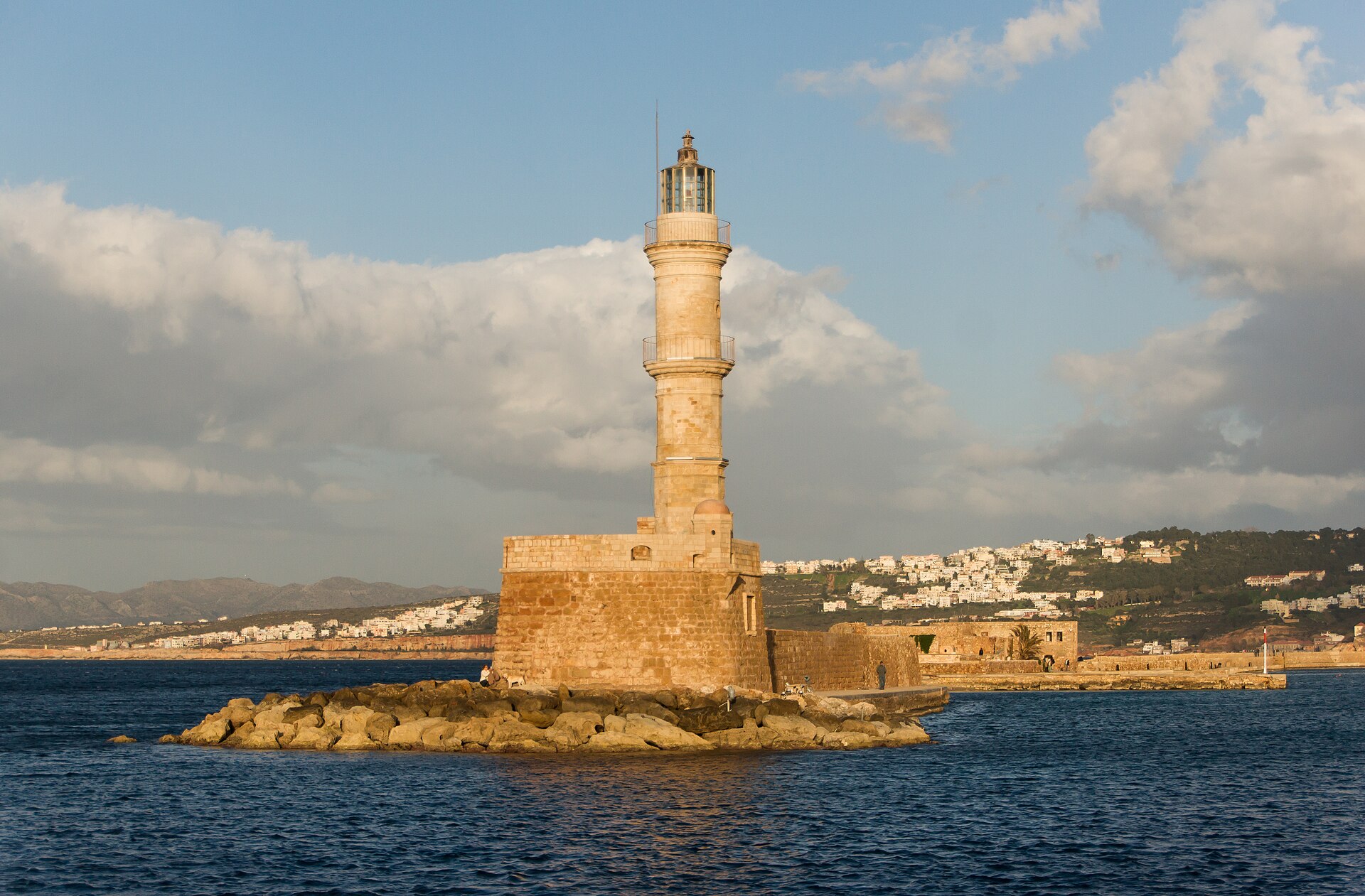
On Crete, the palace of Knossos shows how the Minoans lived. They were a clever sea people who ruled the island long before Athens grew powerful. Groups walk past painted walls, wide stairs and royal rooms. Chania old harbour feels peaceful and colourful, with a stone lighthouse, pastel houses and fish tavernas along the water.
West Crete holds the lagoons of Balos and Elafonisi. Both have shallow water in shades of turquoise and green, so children and nervous swimmers relax quickly. Across the sea, the Old Town of Rhodes is a walled city built by knights. These Christian soldiers protected travellers, and their stone streets still feel like a castle.
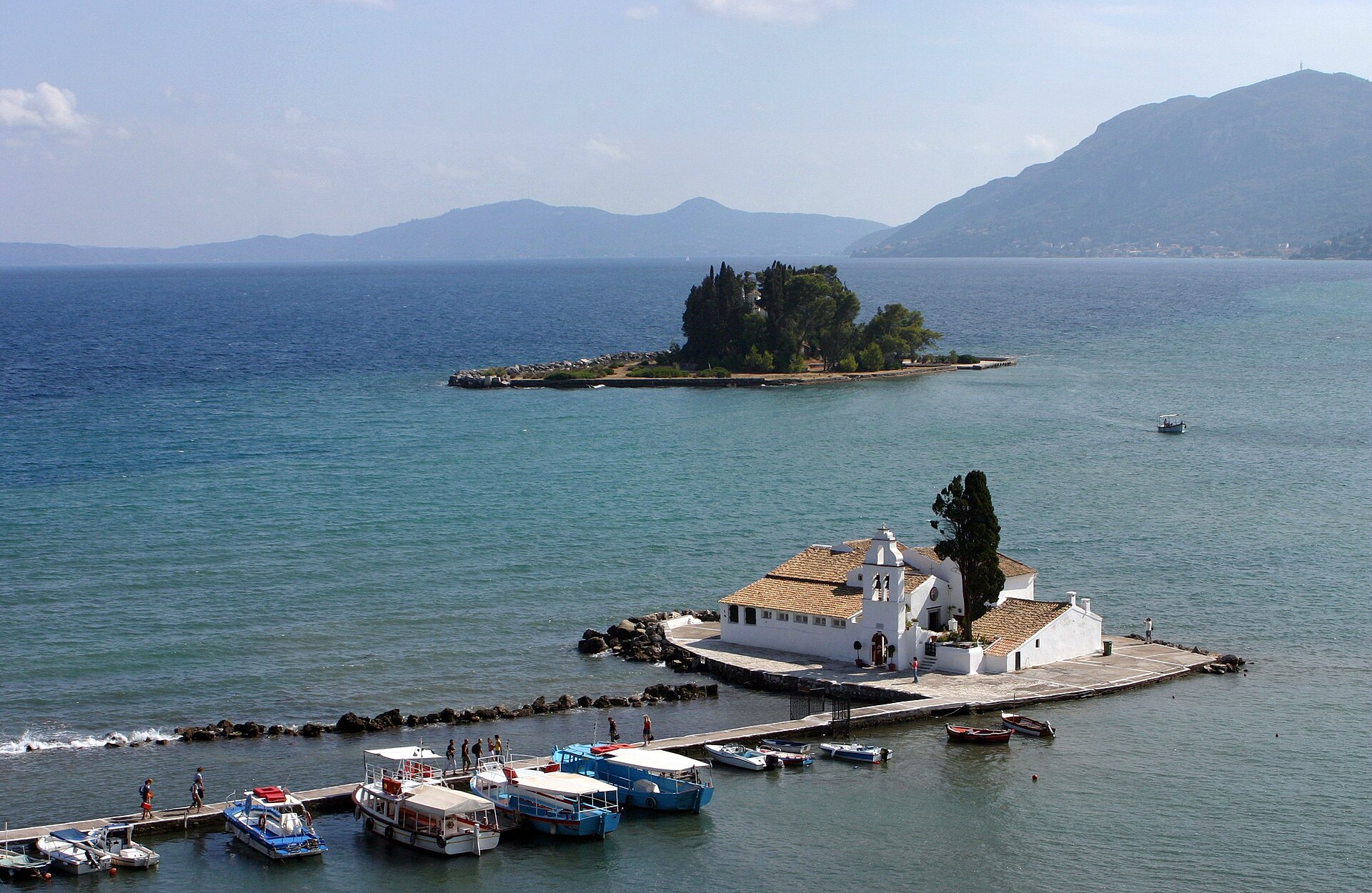
Lindos, also on Rhodes, stacks white houses below a hilltop citadel, which is a fortress on high ground. Corfu old town mixes Italian-style lanes, elegant squares and old forts, because rulers from Venice held the island for ages. Navagio on Zakynthos is the famous shipwreck beach, best admired from the cliffs or a boat.
Which Greece tours make Crete and beyond easy?
Private tours with a driver-guide or skipper suit families and close friends who prefer their own pace. They are priced per group, not per person, so the cost divides nicely across a full minivan or boat. The same idea works beautifully on Kefalonia, where a skipper discovers quiet coves for the whole party.
Boat cruises with swim stops suit mixed groups, since energetic swimmers jump in while others relax on deck. Full-day trips from Athens by coach suit school groups and company teams who want a taste of the wider country. These Greece tours keep everyone together, with a single plan and a clear return time.
Cooking classes and wine tastings suit clubs, couples and teams who love food. Groups knead dough, roll vine leaves and then share the meal they made. On Crete, these classes feel like a visit to a village kitchen. Older travellers enjoy them too, because most of the work happens sitting down at a long table.
What comes with Greece tours in Crete and beyond?
Lunch or a BBQ meal matters more than most people think. Hungry teenagers and tired grandparents stay cheerful when food arrives on time. On boat days, the crew grills fresh meat or fish on board. Drinks come along too, and some cruises make them unlimited, which keeps everyone cool under the strong sun.
A licensed or local guide turns old stones into living stories. At Knossos, a good guide explains myths, kings and daily life in words a child can follow. Free time to explore matters just as much. It lets the shoppers shop, the swimmers swim and the history fans linger a little longer at the ruins.
Wine tastings add a relaxed, grown-up moment to the day, with cheese, olives and fresh bread on the side. Swim stops are the other big gift. After a hot morning, the whole group dives into clear water together. That cool, happy break becomes the favourite memory of Greece tours in this part of the country.
How do groups avoid stress in Crete and beyond?
Start early. Morning hours are cooler, and famous spots like Balos and Navagio fill up later in the day. Pick a meeting point that is easy to find, such as a hotel lobby or a harbour café. Share a group chat, so late changes reach every phone at once and nobody misses the boat.
Pack light but smart. Each person needs water, sun cream, a hat, swimwear and comfortable shoes for stony paths. Bring a small first-aid kit and seasickness tablets for the choppy boat days. Agree on a head count before every bus or boat departs, and give each child a responsible buddy to watch them.
What Are The Best Greece Tours In The Cyclades For Groups?
The best Greece tours in the Cyclades mix boat days with village walks, sea caves and sunset views. Groups get swims, meals, drinks and easy transport in one simple plan. The islands sit close together, so a group explores plenty of places without long, tiring journeys between stops. Each island feels different.
Which sights make the Cyclades special?
Santorini is the island most people picture when they think of Greece. Its cliff villages, like Oia and Fira, sit high above a huge flooded crater from an ancient volcano. Groups wander white lanes past blue domes and tiny churches. At sunset, the cliffs glow gold and pink while the whole party watches.
On Mykonos, the famous windmills stand in a row on a breezy hill above the sea. Nearby, the island sanctuary of Delos was a holy place where ancient Greeks said the god Apollo was born. A sanctuary is a sacred site, and Delos still shows temples, colourful mosaics and stone lions beside the path.
Milos has sea caves and white rocks shaped by wind and waves, and they look best from a boat. The old town of Naxos climbs a hill to a castle built by lords from Venice. On Paros, the harbour of Naoussa is full of fishing boats, small cafés and tables right beside the water.
Which Greece tours make the Cyclades easy?
Private tours with a driver-guide or skipper suit families and friend groups who want complete control. They are priced per group, so a big party gets better value as more people join in. Small-group tours suit a few friends who split off for a day and enjoy meeting other friendly travellers along the way.
Boat cruises with swim stops suit nearly everyone, from toddlers in life jackets to grandparents in the shade. Full-day trips from Athens by coach suit school groups and company teams staying in the capital. These trips still give everyone a taste of the islands. Both kinds of Greece tours keep planning simple for organisers.
Snorkel and beginner scuba trips suit teenagers and active friends who want some adventure. Trained instructors teach the basics in calm, shallow bays. Cooking classes and wine tastings suit food lovers, older guests and team-building groups. Everyone works together in the kitchen, and then the whole group shares the table and the stories.
What comes with Greece tours in the Cyclades?
Lunch or a BBQ meal on a boat day saves the group from hunting for a big table in a busy port. The crew serves delicious food on deck, so nobody wanders off hungry. Drinks are part of the deal, and some cruises make them unlimited, from water and soft drinks to local wine.
Snorkel gear comes on board, which means the group packs less and nobody forgets a mask. Children love spotting small fish around the rocks. Swim stops happen in bays that cars cannot reach, so the water feels private and calm. These moments are why boat days sit at the heart of Greece tours here.
Wine tastings shine on Santorini, where vines grow low in curled baskets to hide from the strong wind. The grapes grow in volcanic soil, which gives the wine a crisp, fresh and salty taste. A tasting gives the adults a slow, relaxed hour, while younger members of the group enjoy the views and tasty snacks.
How do groups avoid stress in the Cyclades?
Book boat days early in the trip, since strong summer winds sometimes cancel sailings. That leaves room to try again later in the week. Meet at the port well before boarding, because ferries and cruise boats leave exactly on time. Choose one organised leader to hold the tickets and count heads at every stop.
Bring sun cream, hats, sunglasses and a light jacket for windy evenings. Flat sandals help on slippery village steps, and a dry bag keeps phones and cameras safe on the boat. Agree on a clear spot to meet in busy places like Oia at sunset, where thick crowds make it easy to lose people.
How Can Groups Get More From Greece Tours In The Capital?
Groups get more from Greece tours in the capital by booking a guide and starting early. Mixing ancient sights with good food and sea views keeps every age happy. With smart timing, a group visits the Acropolis, enjoys a long lunch and still catches a sunset on the coast. Athens rewards careful planning.
Which sights make the capital special?
The Acropolis hill rises above Athens like a stone crown. On top stands the Parthenon, a temple built for the goddess Athena, who gave the city its name. Groups climb past marble gates and look out over the whole city. On the slope below sits the Theatre of Dionysus, often called the birthplace of theatre.
The Acropolis Museum sits at the foot of the hill. Glass floors show old streets under the building, and statues from the temple stand in bright, cool halls. Nearby, the Roman Agora was a market built when Romans ruled Greece. Its Tower of the Winds is an old weather station with carved wind gods.
Hadrian’s Arch is a gate named after a Roman emperor who adored Athens. Nearby, the National Garden offers shady paths and duck ponds for tired children. At night, the old quarter of Psyrri fills with street art, music and tavernas. Cape Sounion ends the day with the Temple of Poseidon, god of the sea.
Which Greece tours make the capital easy?
Private tours with a driver-guide or skipper suit families with small children or elderly relatives. They are priced per group, and the van waits at each sight, so nobody walks too far in the summer heat. Many Greece tours from Athens use this comfortable style for the beautiful coastal drive to Cape Sounion.
Guided walking tours suit school groups, history clubs and curious company teams. A guide leads the group through the old centre, linking the Acropolis, the Roman Agora and Psyrri on foot. Boat cruises with swim stops suit friends who want a break from ancient ruins, with a skipper sailing the bays near the city.
Cooking classes and wine tastings suit company teams and food-loving families. Groups shop at a lively market, then cook dishes like moussaka and Greek salad with an experienced local chef. Sharing a meal they made together builds team spirit fast. It also gives everyone a warm, easy evening after a busy day of sightseeing.
What comes with Greece tours in the capital?
A licensed guide matters most at the Acropolis. Only licensed guides may lead groups inside the main ancient sites, and they know the quickest paths and the best photo spots. They also bring old myths to life, so children stay curious instead of bored. A local guide adds tips on food, shops and safe streets.
Lunch or a BBQ meal comes with many boat days along the Athens coast. That means no time lost finding a restaurant for a big party. Drinks come with the meal, and some cruises offer them unlimited. On a hot city day, cold water and soft drinks keep energy up and moods bright.
Wine tastings in the city bring wines from every corner of the country into one cosy room. Swim stops on coastal trips give groups a refreshing break after hot, dusty ruins. Together, these extras make Greece tours in the capital feel like a complete holiday, not just a history lesson for the group.
How do groups avoid stress in the capital?
Visit the Acropolis at opening time or late in the afternoon, when the heat is softer and the lines are shorter. Share the day’s plan with the whole group the night before. Choose a clear, simple meeting point, like the museum entrance, and remind everyone of it before the group splits up for free time.
Athens streets are busy, so walk in pairs and keep small children close in crowds. Wear shoes with good grip, because the marble on the Acropolis is smooth and slippery. Carry plenty of water, hats and sun cream, and plan a slow lunch in the shade. A short afternoon rest keeps tired legs happy.
How Do Big Groups Enjoy Greece Tours In The Mainland?
Big groups enjoy Greece tours in the mainland by pairing famous ancient sites with comfortable coaches, expert guides and hotel stays. One smooth route links many historic sights. It is the best way for a group to see where the oldest Greek legends and stories truly began. Every stop has a story worth hearing.
Which sights make the mainland special?
Delphi sits on a mountain slope above a valley of olive trees. Ancient Greeks believed it was the centre of the world and visited the Temple of Apollo to question the oracle. An oracle was a priestess who passed on messages from the gods. Further north, the Meteora monasteries perch on tall rock towers.
Mycenae was the home of King Agamemnon in the old Greek legends. Its Lion Gate still guards the entrance with carved stone lions above the door. The theatre of Epidaurus is famous for its sound. A whisper on the stage reaches the top rows, and groups love testing it with a song or a joke.
Nafplio is a pretty seaside town with Venetian houses and lively squares. Above it, the Palamidi fortress guards the bay from a steep hill. Ancient Olympia is where the Olympic Games began, and groups can race on the old track. The Corinth Canal cuts through solid rock, making a deep, narrow waterway between seas.
Which Greece tours make the mainland easy?
Full-day trips from Athens by coach suit school groups and company teams. A large, comfortable coach carries everyone to Delphi or the Mycenae area and back in good time for dinner. Small-group tours suit a few friends or a small family who want a guide but prefer a calm, personal feel on the road.
Guided walking tours suit history fans inside big sites like Olympia and Mycenae, where a guide links each ruin to its story. Entry tickets suit groups who want to explore at their own pace. Families with young children like this freedom, since they can stop for snacks, shade and photos whenever they need.
Multi-day tours with hotel nights suit clubs and larger families who want to see the whole mainland without driving themselves. These Greece tours link Delphi, Meteora, Mycenae and Olympia in one comfortable loop. Bags travel safely on the coach, hotels are already booked, and the group simply relaxes and enjoys each new place together.
What comes with Greece tours in the mainland?
A licensed or local guide is the key extra on the mainland. The ruins here are wide and spread out, and without a guide they look like piles of stone. A guide explains the oracle at Delphi, the athletes at Olympia and the kings of Mycenae in clear, simple words. Children follow along easily.
Entry tickets come included on many Greece tours here, which saves long waits at busy gates. The guide hands them out, and the group walks straight in. For a big party, this removes a lot of fuss and worry. Teachers and team leaders love not handling a stack of tickets at every single site.
Hotel nights on multi-day trips matter a great deal for comfort. A proper bed, breakfast and a hot shower keep the group fresh for the next site. Hotels near Meteora let groups see the rocks glow at sunset. In Nafplio, groups stroll the old town at night, after the day visitors have gone home.
How do groups avoid stress in the mainland?
Plan the long coach days early in the week, when everyone has the most energy. Arrive at Delphi, Mycenae and Olympia soon after opening, because summer heat builds quickly and shade is rare. At Meteora, dress modestly, since the monasteries ask visitors to cover their shoulders and knees. A light scarf solves this quickly.
Bring water, hats, healthy snacks and comfortable walking shoes, as many paths are rocky and uneven. Seat friends together on the coach, and use the long drive for games, music or stories. Count heads carefully after every stop. A bright group flag or matching caps help everyone spot each other at busy ancient sites.
Conclusion: Top Greece Tours For Families And Groups, Planned Well
Greece tours work best for groups when the plan matches the people. Crete and the nearby islands offer palaces, lagoons and lazy boat days. The Cyclades bring white villages, sea caves and exciting snorkel trips. Athens adds the Acropolis, delicious food and coastal sunsets, while the mainland brings oracles, ancient theatres and mountain monasteries.
The right extras make the real difference. Meals, drinks, licensed guides, entry tickets, swim stops and hotel nights take the stress away from busy organisers. For complete control over timing, comfort and pace, Greece private tours keep the whole group together from start to finish. Then everyone simply relaxes and enjoys a memorable trip.
Frequently Asked Questions About Top Greece Tours For Families And Groups
Are Greece tours good for children?
Yes, Greece tours are wonderful for children, especially boat days with swim stops and short guided visits to famous ruins. Guides tell exciting myths and hero stories that keep young minds curious and busy. Families should choose tours with shade, snack breaks and free time, so little legs get a proper rest between sights.
How many Greece tours fit in one week?
A relaxed week fits Greece tours on most days, with a free day in the middle to rest. A balanced mix is a city walk in Athens, a sailing day, a coach trip to Delphi and a cooking class. Too many tours in a row tire big groups quickly and spoil the fun.
Are Greece tours easy for older travellers?
Yes, many Greece tours suit older travellers very well, especially gentle boat days and coach trips. Private tours with a driver-guide reduce walking, and comfortable coaches drop groups close to the site entrances. Older guests should bring supportive shoes and a walking stick for rocky paths, then relax in the shade while others explore further.
Are Greece tours worth it for a short trip?
Yes, Greece tours are absolutely worth it on a short trip, because they save planning time and skip long ticket lines. A knowledgeable guide shows the very best parts of each place quickly. Even a few days in Athens can include the Acropolis, a relaxing cooking class and a sunset drive to Cape Sounion.
Do Greece tours suit first-time visitors?
Greece tours suit first-time visitors perfectly, because everything is organised in advance. A guide explains the history, the delicious food and the local customs, so the group feels at home quickly. Tours also handle transport, tickets and timing, which removes the stress of finding the way in a new country with a big group.
Which Greece tours do groups book most?
Groups book boat cruises with swim stops, guided Acropolis walking tours and full-day coach trips to Delphi most often. Private tours with a driver-guide or skipper are also extremely popular with families, clubs and friends. Cooking classes and wine tastings round out the list, because sharing delicious food always brings a group closer together.
How do groups share costs on Greece tours?
Groups share costs on Greece tours by setting a shared budget early and splitting group-wide costs, such as transport and guides, evenly. Personal extras, such as souvenirs, snacks and drinks, remain the responsibility of each traveler. This simple division keeps money conversations short and the atmosphere friendly.
Why does a shared fund help groups?
A shared fund is a pot of money that everyone pays into before the trip begins. One organized person looks after it and pays for taxis, entry tickets and group meals. This saves time at every stop, because nobody needs to search for change.
Most groups record each payment in a phone app or a simple notebook. A clear record prevents small mix-ups from turning into serious arguments between friends. At the end of Greece tours, the group reviews the record together and settles any differences.
It also helps to agree on a few rules before the first day. For example, the group can decide how to divide a dinner bill when some people skip drinks or dessert. Clear rules at the beginning keep the whole holiday calm and relaxed.
Big families and company groups often prefer a different approach. One person or one company covers the main costs, and everyone else pays for their own extras. Either way, the plan should be completely clear before anyone books Greece tours.
Which shared costs save groups the most?
Private transport is one of the biggest savings on Greece tours. A hired van or minibus costs less per person when every seat is full. It also leaves on the group’s own schedule, instead of following a public timetable.
Boats are another smart shared expense for friends traveling together. A private boat for a day, or even a whole week, becomes far more affordable when the cost is divided. The guide to sailing holidays in Greece explains how these trips work for a crew of friends.
Guided activities also cost less per person in a larger group. Kayaking, jeep safaris and climbing days often come with special group rates. Friends can compare outdoor adventure activities and choose the experiences that suit their budget and energy.
Accommodation is the last big cost on Greece tours. Shared villas and apartments usually cost less per person than many separate hotel rooms. They also give Greece tours for groups a comfortable home base with a kitchen and a large dining table.
How do groups handle meals on Greece tours?
Groups handle meals on Greece tours by booking big tables ahead, ordering shared plates for the table, and choosing tavernas that welcome large parties. A taverna is a small, family-run Greek restaurant with simple, homemade cooking. Sharing food this way is completely normal in Greece, so it suits groups especially well.
How does Greek table sharing work for groups?
Traditional Greek meals are designed for sharing around a big table. The group orders many small dishes, called meze, and everyone tastes a little of each one. This style suits groups perfectly, because nobody has to choose just one meal.
Popular shared plates include Greek salad, grilled vegetables, fried cheese and fresh bread with creamy dips. Grilled meat or fresh fish usually follows as the main course. Ordering in rounds lets the group add more food only when people are still hungry.
Meals in Greece are long, slow and social occasions. Dinner usually begins late in the evening and often continues for several hours. Good Greece tours for groups plan their evenings around this, so nobody needs to hurry back to the hotel.
Booking ahead matters most for big groups on summer Greece tours. Small tavernas have only a few tables, and they fill up quickly on warm evenings. A quick phone call in the morning lets the owner arrange tables together before the group arrives.
How can groups plan meals for different diets?
Big groups almost always include people with different dietary needs. Some travelers eat no meat, some avoid gluten, and others have serious food allergies. The best Greece tours collect this information well before the trip begins.
Greek cooking makes this fairly easy for everyone involved. Many classic dishes are based on beans, vegetables, olive oil and fresh herbs. Restaurants can also adjust a recipe when they receive a clear warning in advance.
Village meals are a highlight for many visiting groups. Small family tavernas in the hills often cook with vegetables from their own gardens. The list of traditional Greek villages to visit helps groups find these slow, friendly lunch stops.
How do groups stay safe on Greece tours?
Groups stay safe on Greece tours by planning around the heat, carrying water, setting clear meeting points and listening to the guide. Greece is a safe country for international visitors. Even so, a few simple habits keep every member of the group comfortable and easy to find.
How do groups deal with heat and sun?
Greek summers are hot and bright, and ancient ruins offer very little shade. Groups should visit open sites early in the morning or late in the afternoon. The middle of the day is better for a long lunch, an indoor museum or a refreshing swim.
Every traveler needs a hat, sunscreen and a refillable water bottle. Light, loose clothing in pale colors also helps the body stay cool. The guide to visiting ancient Greek ruins covers more practical advice for hot days at the sites.
Walking routes on Greece tours need extra attention and planning. Many mountain trails are rocky and steep, and some have no drinking water along the way. Groups can study the top hiking trails in Greece and choose a route that suits the slowest walker.
Older relatives and young children usually feel the heat first. Greece tours for mixed-age groups include shady breaks, cold drinks and regular rest stops. A good guide watches the group carefully and slows the pace when people look tired.
How do groups keep everyone together?
Large groups lose people more easily than small ones, especially in crowded places. A few simple habits help Greece tours run smoothly from beginning to end.
- Choose a clear meeting point at every stop.
- Share phone numbers in one group chat.
- Pair people up in busy crowds.
- Count heads before the bus departs.
- Keep passport photos on every phone.
Only state-licensed guides may lead groups inside Greek archaeological sites and museums. These protected sites hold the ruins of ancient cities and temples. Many guides carry a colorful sign or small flag, so the group can spot them easily in a crowd.
How do groups choose Greece tours?
Groups choose Greece tours by agreeing on shared interests first, then matching the pace, length and style of each tour to the whole group. A short online vote before booking helps everyone feel included. It also shows what most people want to see and what they would happily skip.
How do groups agree on what to see?
Every group has a mix of personalities and tastes. Some people love ancient monuments, while others prefer beaches, shopping and delicious food. A quick poll in the group chat helps the organizer see the most popular choices.
History fans often lead the vote when planning Greece tours. A short read on Greek history you should know gives everyone the same starting point. It also makes guided visits far more interesting for teenagers and adults.
Myths are another great way to get people excited. Many groups enjoy visiting famous Greek mythology sites, where gods and heroes were said to live. A myth-to-map travel guide connects each old story to a real place on the map.
The best Greece tours combine big sights with plenty of free time. A group can explore a famous temple in the morning and relax at the beach in the afternoon. This balance keeps both the history lovers and the sun lovers happy.
How do groups match tours to their pace?
The pace of Greece tours matters as much as the destinations. A tour with long walks and early starts suits energetic friends and active clubs. A slower tour with more rest stops suits big families with grandparents and small children.
Indoor visits offer a break from the sun and keep everyone interested. A Greek art and museums guide helps groups plan cool, calm hours between outdoor visits. Historic buildings are just as rewarding to explore with a knowledgeable guide.
Greek temples use tall stone columns in several classic styles. The guide to famous Greek architecture explains what each style looks like and where to find it. This knowledge turns a pile of old stones into a memorable story.
Photo time is another detail to agree on early. Some travelers want to stop at every viewpoint, while others prefer to keep moving. A few photography tips for Greece tours help the group plan the best photo stops in advance.
Group size shapes the final decision as well. Private Greece tours suit big families and company groups who want their own guide and vehicle. Smaller groups of friends can join shared Greece tours and still enjoy a relaxed, social day.
Which Greece tours suit history fans?
History fans enjoy Greece tours that visit ancient temples, theaters and palaces with a licensed guide who brings the old stories to life. Greece holds the ruins of some of the oldest cities in Europe. Exploring them together gives groups a shared memory that lasts for years.
What do history tours show groups?
Most history tours begin in Athens, where the Acropolis rises above the modern city. The Acropolis is a rocky hill crowned by ancient temples, including the famous Parthenon. Groups often add the Acropolis Museum, which displays statues and carvings discovered on the hill.
Inside Greek archaeological sites and museums, only state-licensed guides may lead groups. These experts explain what each broken column or carved stone once meant to ancient people. Their stories help teenagers and adults understand why these places still matter today.
Many groups extend their history Greece tours with short trips outside the capital. The ideas for day trips from Athens include coastal temples, ancient theaters and famous battlefields. These outings fit neatly into a single day and return to the hotel by evening.
A little reading before Greece tours makes every visit richer. Groups can share short stories about gods, heroes and kings in their group chat. Children especially enjoy spotting the places from these stories once they arrive.
Which mainland sites suit history groups?
Delphi sits high on a mountain slope and was once home to a famous oracle. An oracle was a priestess who people believed could pass on messages from the gods. Today, groups walk past the ruins of temples, a theater and a stadium.
Olympia is the birthplace of the ancient Olympic Games, which honored the god Zeus. Groups can stand on the original running track and race each other for fun. Mycenae, an even older fortress city, welcomes visitors through a famous gate topped with carved stone lions.
Long road trips between these sites are part of the adventure. The guide to scenic drives in mainland Greece shows beautiful routes through mountains and olive groves. Comfortable private transport makes these drives relaxing for big families and company groups.
Some groups prefer quieter places away from the crowds. The guide to hidden gems beyond the tourist trails highlights forgotten ruins, castles and old villages. Greece tours that include these stops feel more personal and less rushed.
Which Greece tours suit beach lovers?
Beach lovers enjoy Greece tours that hop between islands, with time for swimming, boat trips and long afternoons on sandy or pebbly shores. Greece has a huge number of islands, so every group finds a beach style it loves. The clear, warm water is a highlight for all ages.
How do island tours work for groups?
Many beach tours start in Athens and continue by ferry to the islands. The practical guide to Greece island tours from Athens explains how groups can plan these first steps. Short trips from the capital also reach nearby islands for a single day at sea.
Island hopping simply means visiting several islands on one holiday. Large ferries carry passengers and cars between the main islands, while faster boats connect the busiest routes. The guide on travel between Greek islands compares ferries, flights and smart routes.
Booking ferry seats together matters for big groups in summer. Families want to sit side by side, and sports clubs need space for bags and equipment. Greece tours for groups usually handle these bookings, which saves the organizer a lot of stress.
Groups should also leave some flexibility in their island plans. Strong summer winds sometimes delay ferries for a few hours. Relaxed Greece tours build in extra time, so a late boat never ruins the holiday.
Which beaches do groups enjoy most?
Every island offers a different kind of beach day on Greece tours. Groups can choose from a wide variety of shores and water activities.
- Wide sandy beaches with shallow water for children.
- Volcanic beaches with red or black sand on Santorini.
- White rocky coves for swimming on Milos.
- Quiet pebble bays reached only by boat.
- Organized beaches with sunbeds, umbrellas and water sports.
Boat trips are a favorite part of beach Greece tours. A private boat lets the group swim in clear bays that cars cannot reach. Many boat days include snorkeling, a simple lunch on board and plenty of time to relax.
Water sports add energy to Greece tours for active clubs and adventurous friends. Paddleboarding, kayaking and snorkeling are easy to learn together. Families with young children prefer calm, shallow bays where everyone can splash safely near the shore.
Which Greece tours suit food lovers?
Food lovers enjoy Greece tours that include market walks, cooking classes, wine tastings and long meals in family tavernas serving local dishes. Greek cooking is based on fresh vegetables, olive oil, cheese and herbs. Sharing these flavors around one table brings any group closer together.
What do food tours show groups?
Food walks are an enjoyable way to begin Greece tours in a busy city. A local guide leads the group through busy streets, stopping at bakeries, cheese shops and small cafes. Each stop offers a small taste, so nobody leaves hungry.
Markets are the heart of these walks. The city-by-city guide to food markets in Greece shows where groups can see fresh fish, olives, spices and honey. Stall owners often share samples and explain how locals cook with each product.
Cooking classes suit Greece tours for groups especially well. Everyone gets a task, from rolling pastry to stirring sauces, and the whole group eats the results together. Company groups often choose these classes as a relaxed team activity.
Olive oil tastings are another highlight of food Greece tours. Olive trees cover huge parts of the Greek countryside, and many family farms welcome visitors. Groups learn how the oil is made and taste the difference between several varieties.
Why do wine regions attract groups?
Greece has made wine since ancient times, and many small wineries welcome groups today. A tasting usually includes a cellar visit, several local wines and simple snacks. The guide to popular wine regions in Greece explains where to find the best vineyards.
Wine visits fit easily into longer Greece tours. Some vineyards grow close to Athens, while others cover islands like Santorini. There, the vines are woven into low baskets that protect the grapes from strong winds.
Groups with non-drinkers still enjoy these visits, since the setting itself is special. Many wineries serve fresh grape juice, local cheese and homemade bread alongside the wine. The beautiful views over the vineyards are a treat for everyone.
Private transport is essential on wine days, especially in hilly regions with narrow roads. Greece tours with wine tastings usually include a professional driver, so everyone can relax. This keeps the day safe and enjoyable for the whole group.
Which Greece tours suit nature lovers?
Nature lovers enjoy Greece tours that explore mountains, gorges, lakes and forests, with gentle hikes, wildlife spotting and quiet nights in green villages. A gorge is a deep, narrow valley carved by a river over a very long time. Groups love walking through their cool, shady paths.
Where do nature tours take groups?
Mount Olympus, the legendary home of the Greek gods, is the highest mountain in Greece. Its lower trails suit active groups who want forest walks and mountain views. Meteora offers a different scene, with old monasteries balanced on top of giant rock pillars.
Northern Greece hides wide lakes, thick forests and stone villages. The guide to the best nature reserves in Greece lists protected areas for spotting birds, wild flowers and rare animals. Many reserves offer marked paths that suit families with older children.
Train journeys add a calm, comfortable way to enjoy the landscape on Greece tours. The guide to scenic train rides in Greece covers routes through gorges and mountain valleys. Groups can sit together, chat and admire the views without anyone needing to drive.
Some nature Greece tours follow old stone paths between mountain villages. These paths once linked farms and markets long before modern roads existed. Today they make gentle, scenic walks for groups of all ages.
How can groups travel greener in Greece?
Nature tours work best when groups protect the places they visit. The guide to sustainable travel in Greece shares simple ways to reduce waste and support local people. Small choices, like carrying refillable bottles, make a big difference across a large group.
Where a group sleeps matters just as much as where it walks. The list of eco-friendly places to stay includes guesthouses that use solar power, grow their own food and save water. Many of these places have enough rooms to host a whole group of friends or relatives.
Local guides are another green choice for Greece tours. They know the safest trails, the best viewpoints and the rules in protected areas. Hiring them also keeps money within small mountain and island communities.
Groups should stay on marked paths and carry all their rubbish home. Picking wild flowers or disturbing animals damages fragile places. Respectful Greece tours leave every trail just as beautiful for the next visitors.
Which places do Greece tours for groups visit?
Greece tours for groups visit famous islands like Santorini, mainland history sites like Delphi and Meteora, and large islands such as Crete. Most groups combine a few places from each list below, depending on their interests and travel time. This mix gives every person in the group something special to look forward to.
Islands
The Cyclades are a circle of small islands in the Aegean Sea, southeast of Athens. Greece tours often visit several of them by ferry, since they sit close together and boats link them all summer. Each island has its own character, so groups can match every stop to their mood.
- Santorini, known for white villages, blue domes and views over a volcanic crater.
- Naxos, known for long sandy beaches, mountain villages and a huge marble gateway.
- Paros, known for pretty fishing harbors, relaxed beaches and lively evenings.
- Milos, known for colorful volcanic rocks, sea caves and white moon-like cliffs.
- Ios, known for golden beaches, lively nights and a whitewashed hilltop village.
Mainland
The Greek mainland holds many of the most important ancient sites in the country. Greece tours usually reach them by private coach or minibus, which keeps big groups together. The drives pass through rugged mountains, silver olive groves and small country towns with friendly cafes.
- Athens, home of the Acropolis, the Parthenon and lively old neighborhoods.
- Delphi, the ancient home of the oracle, high on Mount Parnassus.
- Meteora, famous for old monasteries perched on top of giant rock pillars.
- Olympia, the birthplace of the ancient Olympic Games and their stadium.
- Mycenae, a fortress city of legendary kings, entered through the Lion Gate.
Large islands
The larger Greek islands have airports, busy towns and a wide range of hotels. This makes them easy, comfortable bases for Greece tours with big families or company groups. Each one offers history, beaches and day trips without packing and unpacking suitcases every night.
- Crete, the biggest Greek island, with the palace of Knossos and deep gorges.
- Rhodes, known for a medieval walled old town built by knights.
- Corfu, known for green hills, an elegant old town and calm swimming bays.
- Zakynthos, known for Shipwreck Beach, blue sea caves and nesting sea turtles.
How do groups plan Greece tours over seven days?
Groups plan Greece tours over seven days by spending the first days in Athens, then adding a mainland site and finishing on the islands. This order follows the main transport links and saves valuable holiday time. The seven-day Athens, Santorini and Mykonos itinerary shows a popular version of this plan.
Start in Athens
Athens is the natural starting point, since most international flights land in the capital. Groups usually spend the first full day at the Acropolis and its modern museum, which sits just below the hill. A licensed guide explains the temples and statues in clear, simple language.
The next day suits a slower pace around the city center. Groups can wander through the old Plaka neighborhood, watch the changing of the guard and shop for souvenirs. The evening works well for a rooftop dinner with views of the glowing Acropolis.
Athens is also a convenient base for short trips along the coast. A drive to the Temple of Poseidon at Sounion makes a lovely sunset outing. Groups return to the same hotel each night, which keeps the opening days of Greece tours relaxed.
Big groups should book Athens hotels close to a metro station or the old town. This makes it easier to gather everyone in the morning before each outing. It also lets smaller groups split off for shopping or rest, then meet again for dinner.
Families with young children can add playful stops to the city days. A ride up Lycabettus Hill, the highest point in central Athens, gives wide views over the whole city. The shady National Garden offers a cool break between busy sights.
Add a mainland highlight
The middle of the week suits a trip into the mountains of the mainland. Delphi is a popular choice, since it combines ancient ruins with dramatic mountain views. Meteora takes longer to reach, but its cliff-top monasteries amaze every age group.
Many groups stay overnight near these sites instead of rushing back to the city. This gives everyone time to explore the ruins early, before the day crowds and the heat arrive. Local tavernas in mountain towns also serve hearty food after a long day.
Groups who prefer to organize everything themselves can follow these self-guided itinerary planning tips. They cover car hire, driving routes and how to pace each day sensibly. Private Greece tours with a driver and guide remove this work completely for larger groups.
Olympia and Mycenae suit groups with a strong interest in ancient history. Both sites lie in the Peloponnese, the large peninsula that forms the south of the mainland. This route trades high mountains for rolling hills, orange groves and quiet seaside towns.
The mainland stop also helps balance the whole week. After busy city sightseeing, a mountain setting feels peaceful, green and refreshing. It prepares the group nicely for the slower, sunnier island days that follow at the end of the week.
Finish on the islands
The last part of the week belongs to the sunny Greek islands. Groups take a ferry from the port of Piraeus or a short flight from Athens to the Cyclades. Santorini, Mykonos, Naxos and Paros are popular choices for the final days of a trip.
A short island stay works best at the end of a busy week. Adding too many islands means more packing, more ferries and less time on the beach. The guide to Greek island hopping explains how to connect islands without wasting a single day.
Each island suits a different kind of group. Santorini suits groups celebrating birthdays, weddings or anniversaries, while Mykonos attracts lively groups of friends. Naxos and Paros suit big families who want long beaches, good food and a calmer pace.
Island days on Greece tours mix sightseeing with plenty of free time. A morning village walk, an afternoon swim and a sunset dinner make a perfect combination. Groups can also book a private boat for a final celebration at sea, with swimming stops in quiet bays.
The flight home leaves from Athens or from an island airport. Groups should check every connection carefully, since ferries sometimes run late in strong wind. Many Greece tours plan the last night in Athens to keep the departure stress-free.
More questions about Greece tours for groups
Groups planning Greece tours often ask the same practical questions about free time, comfortable shoes, hotel pickups, tipping, photo stops and language. The short answers below cover each of these common questions clearly, so organizers can share them with the whole group.
Can groups add free time to Greece tours?
Yes, most private Greece tours let groups add free time, such as open afternoons or whole free days, into the plan. Free time lets people rest, shop or swim at their own pace. It also keeps energy levels high across a long trip, especially for families with young children.
Which shoes suit Greece tours?
Comfortable walking shoes with good grip suit Greece tours best, because ancient sites have uneven stones, steep paths and slippery marble steps. Sandals work well for beach days, boat trips and evening walks in island towns. Light hiking shoes are better for gorges and mountain trails.
Can friends join Greece tours from different hotels?
Yes, friends in different hotels can join the same Greece tours, since many tours offer several pickups or one central meeting point. The organizer should share every hotel name with the tour team when booking. This helps the driver plan the quickest and simplest pickup route around the city each morning.
Is tipping expected on Greece tours?
Tipping is not required on Greece tours, but groups often leave a small tip for guides and drivers who provide friendly, helpful service. Collecting the tip in one envelope keeps things simple and fair. Rounding up the bill is also common in Greek restaurants and cafes after good service.
Do Greece tours stop for photos?
Yes, Greece tours stop for photos at famous viewpoints, and guides know the best spots for group pictures with a scenic background. Private tours can add extra stops whenever the group spots a beautiful view. Some ancient sites limit tripods and professional cameras, so groups should check the rules first.
Do Greece tours run in English?
Yes, Greece tours run in English across the whole country, and many guides also speak other languages such as French, German or Spanish. Mixed-language groups can request a guide who speaks more than one language. Booking early gives the widest choice of experienced guides, especially during the busy summer months.
See more in Sexyaggelies:
- Αγγελίες Συνοδών Πειραιάς: Οδηγός για Escorts από το Λιμάνι ως την Καστέλλα
- Ροζ Αγγελίες: Ο Πλήρης Οδηγός για Ασφαλείς Αγγελίες Συνοδών
- Ερωτικές υπηρεσίες στη Θεσσαλονίκη: Πού να ψάξεις και τι να προσέξεις
- Τα καλύτερα sex toys για ζευγάρια: Τι να διαλέξεις
- Posidonia 2026 Networking Events: Ο Πλήρης Οδηγός Για Στοχευμένες Γνωριμίες Και Υψηλής Αξίας Επαφές Στην Αθήνα